How to Choose Seasonal Fruits and Vegetables at Napa Valley Markets
Why Seasonal Eating Makes Sense
Buying fruits and vegetables when they are naturally ripe in your region is one of the simplest ways to improve your meals. Produce that travels from a nearby farm and is picked at its peak tends to have more flavor and better texture than items shipped from far away. In Napa Valley, where the climate supports a long growing season, knowing what to look for and when to buy can transform your weekly shopping into a rewarding routine.
Seasonal eating also connects you with the local agricultural calendar. Instead of seeing the same apples and bananas all year, you get a changing lineup of stone fruit in summer, hearty root vegetables in fall, and tender leafy greens in spring. This variety keeps cooking interesting and often costs less because the supply is abundant. Understanding how to choose these items at their best is a skill that pays off in taste and value.
What Seasonal Produce Means
A fruit or vegetable is seasonal when it is harvested during its natural growing period in a specific area. In Napa Valley, that timing is shaped by the Mediterranean climate, with mild winters and dry summers. Crops like heirloom tomatoes, berries, and stone fruit peak from late spring through early fall, while leafy greens and root vegetables thrive in the cooler months. Seasonal does not always mean local, but when you buy from nearby farms you get the freshest possible version because the time from field to market is short.
Certified farmers markets in the region follow rules that require vendors to sell what they grow themselves, so the produce you see was likely picked within the past day or two. That short gap matters. Fruits and vegetables lose moisture and sugar after harvest, so a tomato picked yesterday will taste noticeably better than one picked a week ago and shipped across the country. The same principle applies to leafy greens: their crispness and nutrient content decline quickly after harvest, so buying them in season from a local source gives you a product that still has its full character.
How to Identify Peak Freshness
Knowing what to look for helps you pick the best items without guesswork. Here are a few practical cues for common categories of produce you will find at local markets.
Stone Fruit and Berries
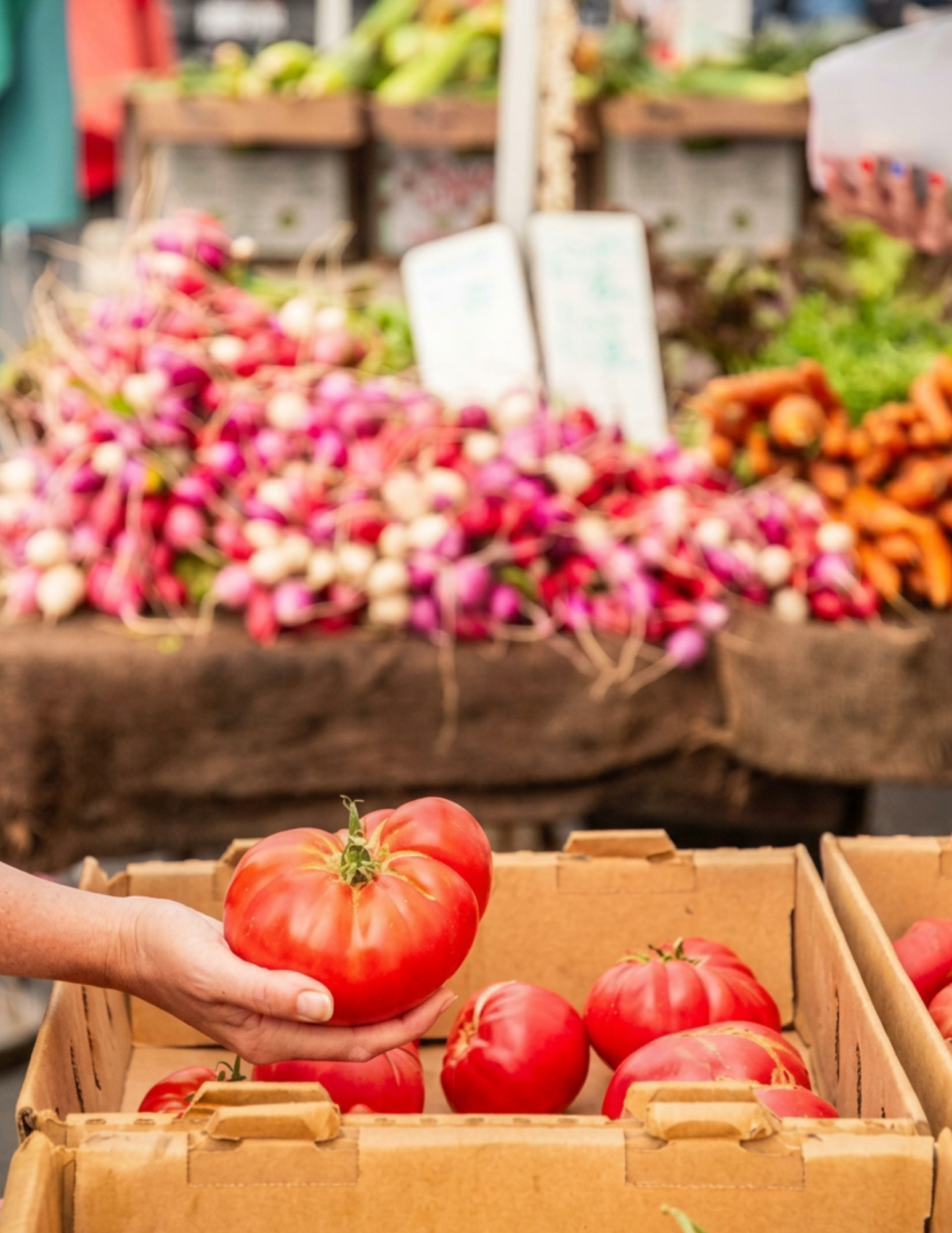
These fruits do not continue to ripen after picking, so what you see is what you get. For peaches, nectarines, and plums, look for a deep, even color and a slight give when you press gently near the stem. The fruit should smell fragrant, not just look pretty. Berries should be firm, dry, and uniformly colored. If you see juice stains on the container or mold on any berry in a pint, move on. Heirloom tomatoes, which are becoming more common at Napa Valley markets, should feel heavy for their size and have a rich, earthy scent at the stem end. Their skin may be slightly wrinkled or cracked, which often indicates higher sugar content, but avoid any with soft spots or leaking.
Leafy Greens and Root Vegetables
Greens such as kale, chard, and lettuce should be crisp and perky. Wilted or yellowing leaves mean they are past their prime. Look for stems that snap cleanly when bent. Root vegetables like carrots, beets, and turnips should be firm and smooth, with no cracks or spongy areas. If the greens are still attached, they should look fresh, not limp. Storage tips: keep greens in a damp paper towel inside a sealed bag in the fridge, and store root vegetables in a cool, dark place with good airflow. Do not wash them until you are ready to use them, because moisture encourages rot.
Following the Harvest Season
Each season brings a different set of stars. In spring, look for asparagus, peas, and tender salad greens. Summer delivers the full bounty: heirloom tomatoes, sweet corn, berries, stone fruit, and melons. Fall is prime time for pumpkins, winter squash, apples, and pears, as well as the last of the peppers and eggplants. Winter brings citrus, kale, broccoli, cauliflower, and root vegetables like parsnips and celeriac. Knowing this rhythm helps you plan meals around what is abundant, which often means lower prices and better quality.
A good approach is to buy what looks best that day and build your menu around it. If the strawberries are incredible, plan a shortcake. If the chard is towering and glossy, saute it with garlic and olive oil. This flexibility makes shopping more fun and reduces food waste because you are buying produce at its peak rather than forcing an out-of-season ingredient into a recipe.
What This Means for You
Buying seasonal produce from local sources changes how you cook and eat. The flavor is more intense, so you need less seasoning and simpler preparations. A ripe peach needs nothing but a napkin. A bunch of just-picked kale can be lightly steamed and taste sweet and nutty rather than bitter. Over time, your palate adjusts to the natural sweetness and acidity of fresh produce, making supermarket versions taste flat by comparison.
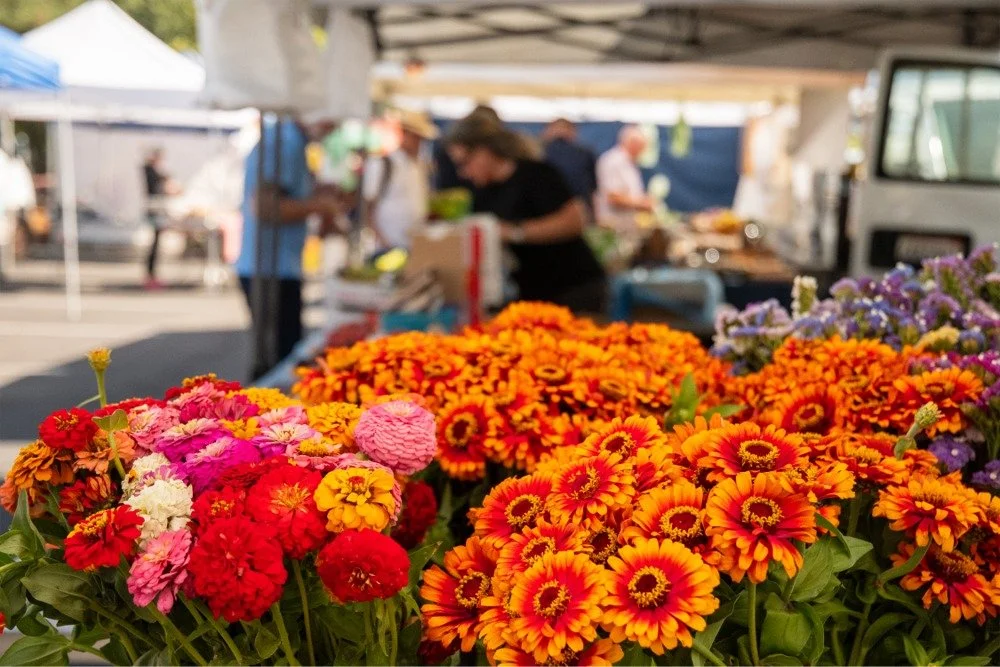
Another benefit is variety. When you commit to eating seasonally, you avoid the monotony of the same dozen fruits and vegetables all year. Instead, you get excited about the first asparagus of spring or the last heirloom tomatoes of fall. That anticipation adds a layer of pleasure to shopping and cooking that is hard to replicate with a constant supply of the same items.
Farmers Markets of Napa Valley offer a direct connection to this seasonal cycle. The vendors are the people who grew the food, so you can ask them how to store a particular squash or when the next batch of berries will be ready. That knowledge is part of what makes shopping at a certified farmers market different from a grocery store. You are not just buying ingredients; you are participating in the local food system and learning from the people who know it best.
One practical tip for newcomers is to bring cash in small bills. While many vendors now accept cards, cash is still the most reliable method and speeds up transactions on busy mornings. Bring your own bags or a basket, because vendors do not always provide them. Arrive early for the best selection, especially for high-demand items like heirloom tomatoes or seasonal berries. Later in the day, you may find discounts as vendors pack up, but the choice will be slimmer.
Storage is another area where a little know-how goes a long way. Most fruits and vegetables should be stored unwashed and in conditions that match their natural environment. Tomatoes should sit on the counter stem-side down, not in the fridge, because cold ruins their texture. Leafy greens need humidity, so wrap them in a damp cloth or store them in a perforated bag in the crisper drawer. Root vegetables do well in a paper bag in a cool pantry. Berries are delicate: spread them in a single layer on a paper towel in the fridge and eat them within a couple of days. These simple storage tips help your purchases last longer and taste better.
Another consideration is quantity. It is tempting to buy a whole flat of strawberries or a giant bag of apples when they look perfect, but if you cannot eat them before they spoil, you have wasted both food and money. Start with a modest amount, see how quickly you use it, and adjust next time. Many vendors at Farmers Markets of Napa Valley sell in small quantities, so you can buy just what you need for a few days.
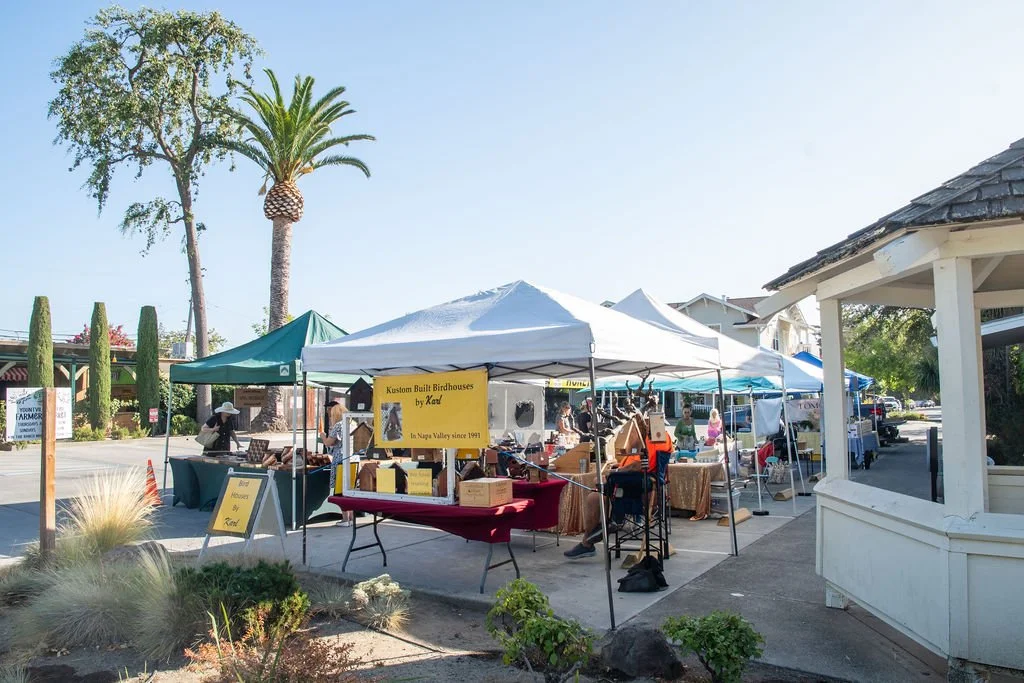
Finally, remember that seasonal eating does not have to be all or nothing. Even incorporating one or two seasonal items into your weekly shopping can make a difference. Over time, you will naturally gravitate toward what is fresh and local because it tastes better and supports the farmers who grow it. The goal is not perfection but a deeper awareness of where your food comes from and when it is at its best.
In short, buying seasonal fruits and vegetables is about paying attention to the natural rhythm of the land. In Napa Valley, that rhythm is rich and varied, offering something new throughout the year. By learning to recognize peak freshness, following the harvest season, and storing produce correctly, you can enjoy meals that are more flavorful, more varied, and more connected to the place where you live.
Ends · FRESHVALLEYNOTES